-
KIIMS , BHUBANESWAR, ODISHA

KIIMS , BHUBANESWAR, ODISHA
Dr. Sabyasachi Jena is an orthopedic surgeon currently serving as an Assistant Professor in the Department of Orthopaedics at Kalinga Institute of Medical Sciences (KIMS), Bhubaneswar. He holds an MBBS (Mumbai) and an MS in Orthopaedics, and has been actively involved in both clinical practice and academic research. Dr. Jena’s clinical expertise encompasses the management of complex fractures, joint disorders, and musculoskeletal trauma. He has contributed to orthopedic research, including studies on the outcomes of surgical interventions for peri-trochanteric fractures. His commitment to patient care and continuous learning positions him as a dedicated professional in the field of orthopedics.
Joint Replacement
Arthroscopy & Trauma
Limb Fractures
Sports Injuries
Joint Preservation
Orthopaedic Oncology

Dr. Sabyasachi Jena specializes in treating bone fractures, joint disorders, and musculoskeletal injuries with expert orthopedic care.

Joint preservation is a specialized field in orthopedics focused on maintaining the natural joint structure and function for as long as possible, especially in young and active patients. The goal is to delay or avoid joint replacement surgery by treating early joint degeneration and preserving the native tissue. Why is Joint Preservation Important? 1. Preserves native joint biomechanics 2. Delays or prevents joint replacement surgery 3. Reduces pain and improves mobility 4. Helps maintain a better quality of life, especially in young or active individuals Who Needs Joint Preservation? 1. Young adults with early osteoarthritis 2. Patients with cartilage injuries or defects 3. People with joint misalignment or deformity 4. Athletes with recurrent joint pain or instability 5. Early-stage avascular necrosis

Orthopaedic Oncology is a branch of orthopedic surgery focused on diagnosing and treating benign and malignant tumors of the bones, joints, and soft tissues, including cancers that originate in or spread to the musculoskeletal system. What Does Orthopaedic Oncology Cover? Orthopaedic oncologists treat a variety of conditions involving: 1. Primary bone tumors (e.g., osteosarcoma, Ewing sarcoma, chondrosarcoma) 2. Soft tissue sarcomas (e.g., liposarcoma, synovial sarcoma) 3. Benign bone tumors (e.g., osteoid osteoma, enchondroma, giant cell tumor) 4. Metastatic bone disease (secondary cancers from breast, prostate, lung, kidney, thyroid) 5. Pathological fractures due to bone weakening from tumors 6. Tumors in children (pediatric orthopedic oncology) Importance of Orthopaedic Oncology 1. Life-saving and limb-sparing treatments 2. Aims to preserve mobility and function after tumor removal 3. Offers interdisciplinary care with oncologists, radiologists, pathologists, and plastic surgeons 4. Manages complex cases with advanced surgical techniques and reconstruction

Joint pain and stiffness can severely impact your daily life. When medications, therapy, or lifestyle changes no longer provide relief, joint replacement surgery becomes a reliable and effective solution to restore mobility and relieve pain. What is Joint Replacement? Joint replacement, also known as arthroplasty, is a surgical procedure in which a damaged joint is removed and replaced with an artificial prosthesis made of metal, plastic, or ceramic. This restores normal joint function and reduces pain caused by arthritis, injury, or other joint disorders. Why is Joint Replacement Done? It is typically recommended when: 1. Severe joint pain interferes with daily activities like walking, climbing stairs, or sleeping 2. Non-surgical treatments (medications, injections, physiotherapy) have failed 3. Joint damage is visible on X-ray or MRI 4. There is loss of joint mobility or deformity

In the evolving field of orthopaedics, arthroscopy and trauma care stand out as two critical subspecialties that address joint issues and injuries with precision, speed, and long-term effectiveness. What is Arthroscopy? Arthroscopy is a minimally invasive surgical procedure used to diagnose and treat joint problems. A small camera, called an arthroscope, is inserted into the joint through a tiny incision. This allows the surgeon to view the joint in real time on a screen and perform repairs with specialized instruments. Common Joints Treated with Arthroscopy: Knee Shoulder Hip Elbow Ankle Wrist

A limb fracture refers to a break in one of the bones of the arms or legs. These injuries are common and can occur due to accidents, sports injuries, or medical conditions like osteoporosis. Prompt diagnosis and appropriate treatment are essential for proper healing and to restore function. What is a Limb Fracture? A fracture is a break or crack in a bone. Limb fractures can involve: Upper limb: Shoulder, humerus (upper arm), elbow, radius & ulna (forearm), wrist, hand Lower limb: Femur (thigh), knee, tibia & fibula (leg), ankle, foot Common Causes of Limb Fractures 1. Falls from height or on outstretched hands 2. Road traffic accidents 3. Sports injuries 4. Direct trauma or assault 5. Weak bones due to osteoporosis or bone cancer
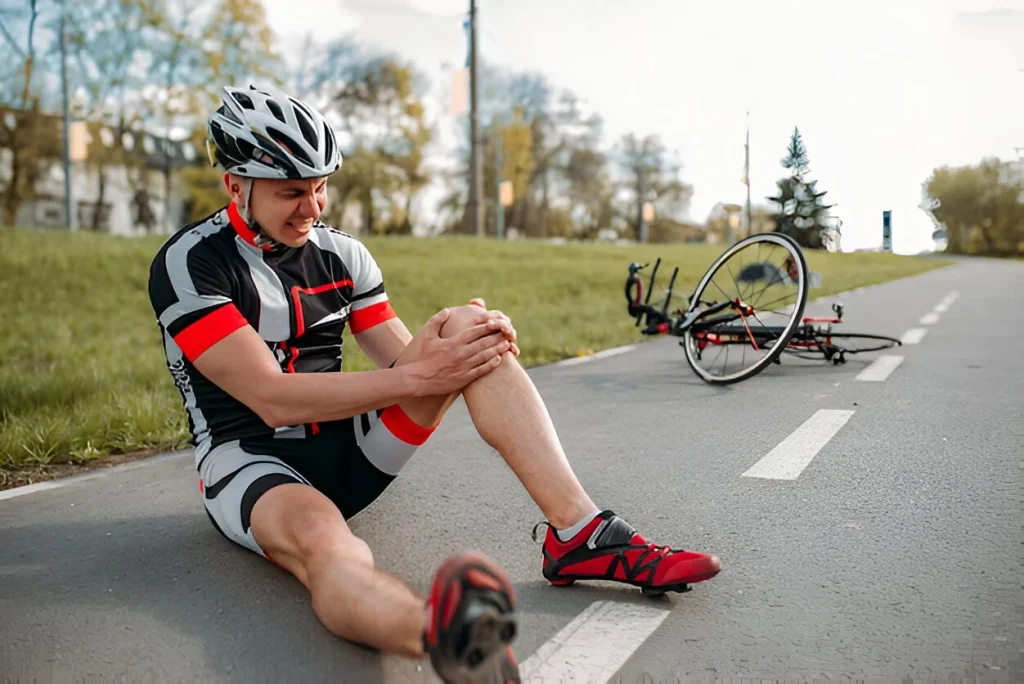
Sports and physical activities are essential for a healthy lifestyle—but they can sometimes lead to sports injuries, which affect the bones, muscles, ligaments, and joints. Whether you're a professional athlete or a weekend jogger, understanding sports injuries is key to staying active and injury-free. What Are Sports Injuries? Sports injuries are musculoskeletal injuries that occur during exercise, training, or athletic competition. These can result from accidents, poor training techniques, improper equipment, lack of conditioning, or inadequate warm-up Who is at Risk? 1. Athletes and gym-goers 2. Children and adolescents in sports 3. Older adults returning to activity 4. People with poor fitness or flexibility 5. Individuals who don’t warm up or stretch

Modern health care goes beyond prescriptions and surgeries—lifestyle modifications are now considered the first line of treatment and prevention for many chronic conditions, musculoskeletal disorders, and even recovery after surgery. Whether you're managing arthritis, recovering from joint replacement, or simply looking to live healthier, small lifestyle changes can make a big impact. What Are Lifestyle Modifications? Lifestyle modifications refer to intentional changes in daily habits and behaviors that promote long-term health. These changes can improve outcomes in conditions like: 1. Osteoarthritis and osteoporosis 2. Diabetes, hypertension, and heart disease 3. Obesity and joint problems 4. Post-surgical recovery 5. Sports injury prevention
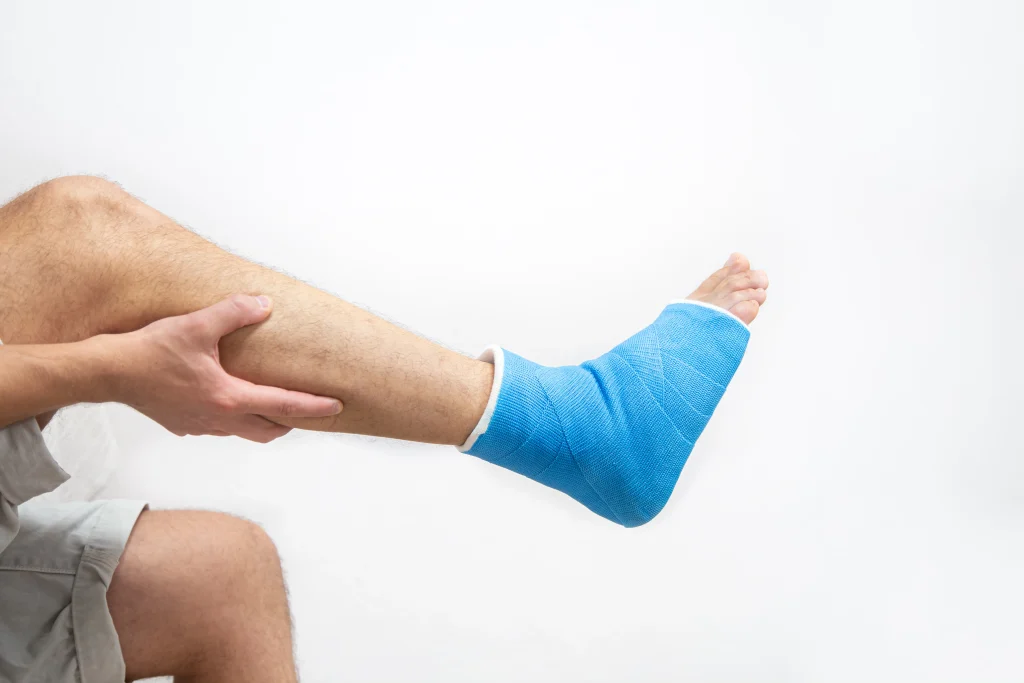
Bracing and casting are two of the most commonly used non-surgical treatments in orthopaedics. These methods help immobilize, protect, and support injured bones and joints during the healing process. Whether you're recovering from a fracture, sprain, ligament injury, or post-surgical procedure, proper bracing or casting can make a significant difference in speeding up recovery and preventing complications. Purpose of Bracing & Casting 1. To immobilize the injured area 2. To reduce pain and swelling 3. To protect the injury from further damage 4. To maintain proper alignment of bones or joints 5. To support healing post-surgery or trauma Casting: Complete Immobilization Casts are hard protective coverings made of plaster or fiberglass used to immobilize a broken bone or severe soft tissue injury.
Joint replacement is typically advised when conservative treatments fail and joint pain or stiffness severely limits your daily activities. Dr. Jena performs joint replacements using minimally invasive and patient-specific approaches for faster recovery.
Arthroscopy is a minimally invasive procedure where a small camera is inserted into the joint to diagnose and treat conditions like torn ligaments, cartilage damage, or loose bone fragments. Dr. Jena uses it for quicker healing and less post-operative pain.
Limb fractures can be managed through casting, bracing, or surgical fixation depending on severity. Dr. Sabyasachi Jena tailors each treatment to ensure optimal bone healing and function, with detailed guidance on rehabilitation for smooth recovery.
Dr. Jena treats various sports injuries including ligament tears (ACL, MCL), meniscus injuries, shoulder dislocations, fractures, and muscle or tendon injuries. Personalized treatment plans focus on rapid and safe return to sports.
Lifestyle changes such as weight management, posture correction, exercise, and ergonomic improvements can reduce joint strain and prevent or manage orthopedic conditions. Dr. Jena provides guidance tailored to each patient’s lifestyle and joint health.
Bracing or casting is used to immobilize the bone or joint after fractures, ligament injuries, or surgery. Duration varies depending on the injury. Dr. Jena ensures proper fitting and monitors healing to avoid stiffness or complications.
Preventive care includes regular stretching, strengthening exercises, proper sports techniques, using safety gear, and addressing minor issues early. Dr. Jena also advises on customized preventive strategies for high-risk patients.
Persistent joint or bone pain, swelling, limited movement, recurring injuries, or inability to perform daily activities may require an orthopedic consultation. Dr. Sabyasachi Jena offers expert diagnosis and treatment for a wide range of musculoskeletal issues.
My mother underwent a knee replacement surgery under Dr. Jena’s care. From the initial consultation to the post-operative rehab, everything was handled professionally. He’s truly one of the best orthopedic doctors in Odisha.
As a sports coach, I’ve seen many injuries. When I injured my ACL, I chose Dr. Sabyasachi Jena based on recommendations—and I’m glad I did. His approach was modern, and the recovery plan was spot on. I’m back to coaching much sooner than expected!
Dr. Jena is not only an excellent surgeon but also a compassionate human being. He treated my son’s shoulder dislocation with great care and patience. His ability to connect with patients is remarkable. Highly recommended.
I had a terrible fall that resulted in a complex fracture. Dr. Sabyasachi Jena handled my surgery with utmost precision. His calm approach, thorough explanation of the procedure, and attentive follow-up care gave me complete confidence. I’m now back on my feet, thanks to him!